Wellness Library

Educate Yourself.
Your Shoes May Be the Reason for Your Back Pain
Research suggests that up to 70% of lower back pain is related to faulty foot mechanics.”
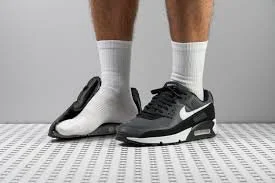
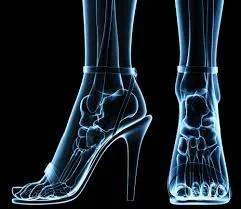
Conventional shoes with rigid soles, narrow toe boxes, and thick cushioning are designed for style, NOT health! They can lead to foot deformities, poor posture, and weakened feet.
⠀
Barefoot footwear is different. It lets feet grow and move naturally, just as nature intended.
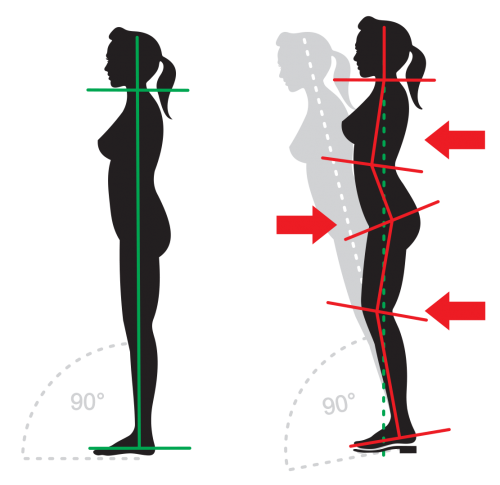
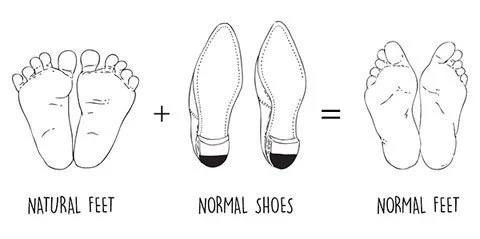
Foot health and spinal pain are closely tied through the kinetic chain—the concept that the body operates as a connected chain of joints, bones, and muscles. As the foundation of the skeletal system, your feet absorb impact and maintain structural alignment. If that foundation is unstable or improperly aligned, the effects ripple upward, causing the spine to compensate and creating chronic back pain.
How Foot Issues Cause Spinal Pain
Problems with the feet disrupt the body's posture and mechanics, forcing the spine to take on extra stress. Key connections include:
Overpronation (Flat Feet/Collapsed Arches): This inward rotation tilts the pelvis forward, which increases the curvature in the lower back (hyperlordosis), resulting in strain, muscle fatigue, and pain in the lumbar spine.
High Arches (Supination): Rigid, high-arched feet do not absorb shock properly. That force travels directly up the kinetic chain to the knees, hips, and spine, causing stiffness and discomfort.
Gait Changes from Pain: Conditions like plantar fasciitis (pain on the bottom of the foot) cause people to alter their walking patterns to relieve foot discomfort. This asymmetrical walking strains the muscles on one side of the back more than the other.
Leg Length Discrepancies: Structural or functional differences in leg length—often stemming from foot issues—force one side of the pelvis to drop. This creates a "functional scoliosis" (sideways curve) in the spine, leading to muscle imbalances.
If you suffer from chronic lower back pain that does not respond to traditional treatment, it may be necessary to have your foot mechanics evaluated by a specialist.
Shoes
Foot Collective Shoes
·https://thefootcollective.us/pages/trusted-footwear-brands
Altra’s (Escalante are great for walking)
https://www.altrarunning.com/en-us/shoe-finder.html
Things You Can Do to Help Reduce Your Pain
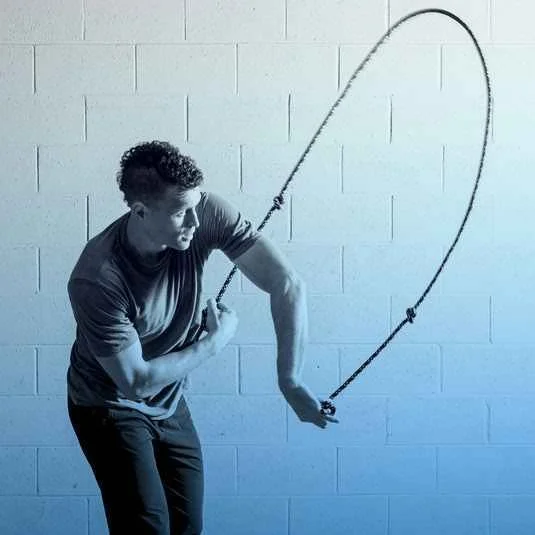
Flow Rope
Flow rope provides numerous benefits, including improved coordination, balance, and agility, increased cardiovascular fitness and muscular endurance in the entire body, and better shoulder, spine, and hip mobility. It offers a low-impact, total-body workout that enhances functional strength and nervous system health, while also promoting mental focus, a meditative "flow" state, and stress
The continuous, dynamic movement activates muscles throughout your entire body, from your shoulders and core to your legs, building strength and stamina. Rope flow encourages movement through various planes, enhancing the range of motion in your shoulders, spine, hips, and other joints.
The rhythmic, full-body workout elevates your heart rate, supporting endurance and overall heart health. The dynamic movements and gentle bounces can also promote healthy lymphatic circulation.
The repetitive, flowing nature of the exercise can lead to a "flow state," promoting a meditative experience and boosting mental focus.
Engaging both hemispheres of the brain and requiring coordinated movements supports neuroplasticity and can be beneficial for overall brain health.
Yoga
“Just 10-15 min a day, a few times week can make a significant difference in one’s pain levels.”
Yoga offers significant benefits for pain management by combining physical postures (asanas), breathing techniques, and meditation to reduce chronic pain intensity, decrease inflammation, and improve flexibility. It helps strengthen muscles that support joints, reducing pressure and promoting better alignment. It enhances body awareness and releases endorphins, which block pain signals. Regular practice lowers stress (cortisol), improves mobility, and increases pain tolerance. Through mindfulness and breathing, it helps manage the emotional, anxiety-driven, and stress-related aspects of chronic pain.
Here are the benefits of various yoga styles:
Strength & Cardio
Vinyasa Yoga: Synchronizes breath with fast-paced movement, offering a cardiovascular workout, improving strength, and enhancing flexibility.
Ashtanga Yoga: A rigorous, structured style that follows a set sequence of poses to build intense physical strength, stamina, and discipline.
Poster & Alignment
Iyengar Yoga: Emphasizes precise alignment and uses props (blocks, straps) to support the body, making it excellent for injury recovery, posture, and stability.
Spiritual & Restorative
Hatha Yoga: Focuses on foundational poses and breathing at a slower pace, making it ideal for beginners, stress reduction, and gentle strengthening.
Yin Yoga: Involves holding passive poses for long periods (3-5 minutes) to target deep connective tissues, increasing joint flexibility and promoting relaxation. Restorative Yoga: Uses props for fully supported poses, focusing on profound relaxation, down-regulating the nervous system, and reducing stress.
Kundalini Yoga: Combines movement, breathing (pranayama), and chanting to wake up energy, focusing on mental clarity and spiritual awakening.
Bikram/Hot Yoga: Practiced in a 100+ degree room, it helps deepen stretches, promotes intense sweating, increases heart rate, and aids in detoxification.